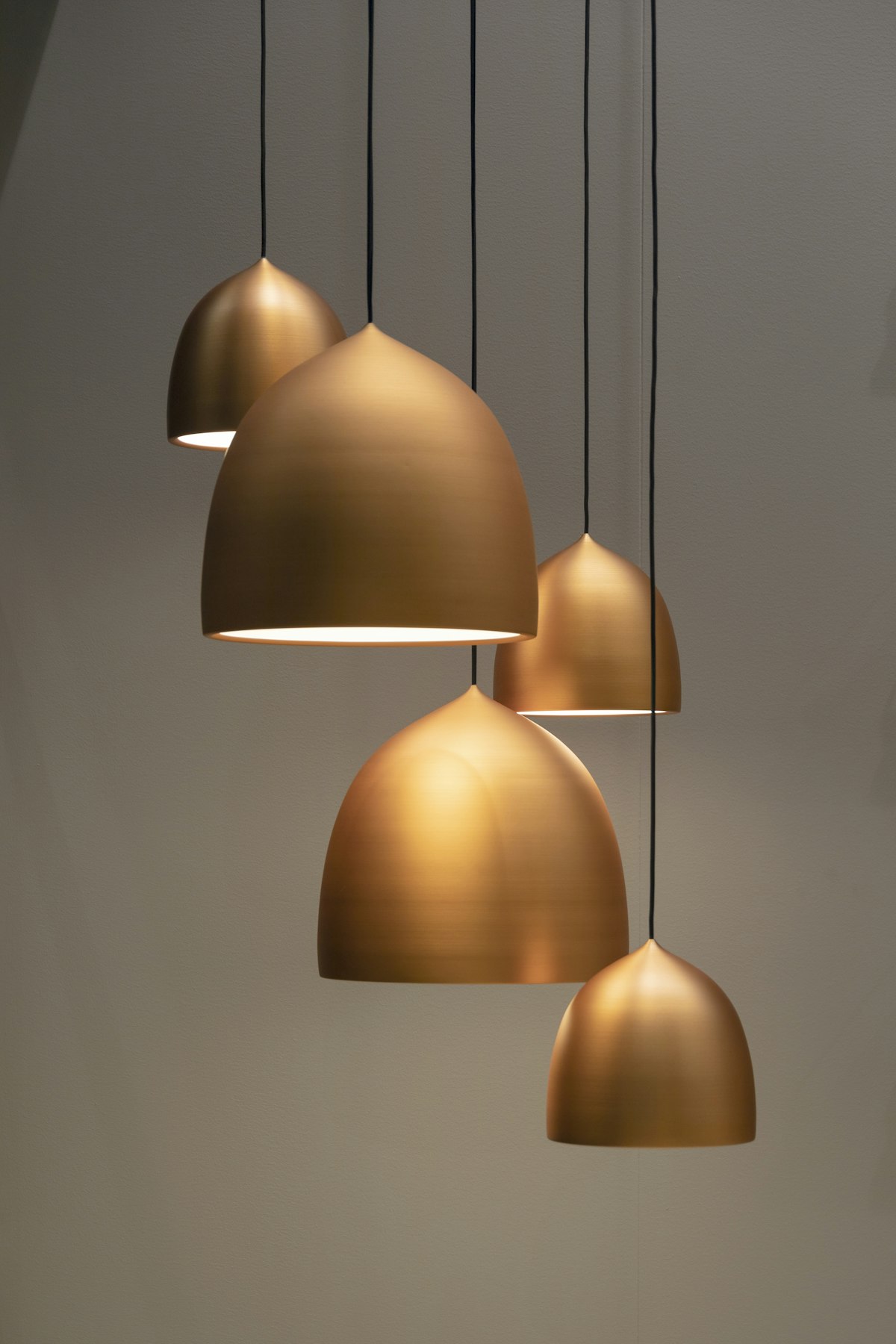
Layered lighting combines ambient light for general visibility, task light for specific activities, and accent light for selected features. Start with how each room is used, then choose compatible fixtures, bulbs, and controls. Compare lumens for brightness and check the light appearance on the product label.
If a room feels flat at night, the answer may not be a brighter ceiling light. Different activities need light in different places. Layered lighting combines general visibility with focused light for tasks and selective light for features you want to notice. You can begin with existing fixtures and a careful walk through the room.
Separate the jobs the light needs to do
Ambient light helps you move through the space. Task light supports reading, food preparation, grooming, or work. Accent light draws attention to art, a shelf, or an architectural detail. A fixture may serve more than one purpose, but no single layer needs to do everything.
List the activities in each part of the room. A chair used for reading needs attention even if the center of the room is bright. A hallway connecting two darker rooms should feel comfortable to enter, not abruptly glaring.
Put light near the activity
Test a lamp in the place where it will be used before deciding on its final position. Sit down, open a book, and look for reflections or a bulb directly in your line of sight. Check that the switch is easy to reach and that cords do not cross a walkway.
For kitchens and bathrooms, fixture location and suitability matter as much as appearance. Have an electrician review new wiring, wet-area installations, and any changes that go beyond replacing an appropriate bulb or plug-in lamp.
Compare bulb information deliberately
Lumens describe light output; watts describe energy use. Color temperature, expressed in kelvins, describes the appearance of the light. Compare products using the information on their packaging instead of assuming that every bulb labeled “soft white” will look identical.
Try one suitable bulb before replacing a whole room’s supply. View paint, wood, and textiles under it after dark. In adjoining spaces, a consistent lighting appearance can help the rooms feel connected, while a task area may need its own considered choice.
Confirm dimming compatibility
A dimmable bulb, fixture, and dimmer need to work together. Check the product guidance before purchasing, especially if an existing setup flickers or buzzes. Do not assume a new bulb will solve an incompatible control.
Create an everyday setting and a quieter evening setting, but keep paths, steps, and work surfaces adequately visible. After a week, ask where you still strain to see or where a bright source feels intrusive. Adjust those locations first. The useful measure of a lighting plan is how comfortably the room supports your day, not how many fixtures it contains.
Make an activity map for each room
Write down what happens in the room and where it happens. Reading in an armchair, preparing food, dressing, and walking through the space do not need identical lighting. Mark the activities on a simple plan before choosing fixtures. This keeps the design from becoming a ceiling layout with no relationship to furniture.
In a living room, a general source may provide orientation while a lamp supports reading at a particular seat. In a kitchen, the work surface needs attention separate from the dining area. In a bedroom, each person’s evening routine may require independent control. The categories help organize decisions, but the actual locations determine whether the light is useful.
Test the plan from the user’s position. Sit at the desk, stand at the counter, and look toward the screen from the sofa. A fixture can appear attractive from the doorway while causing glare at the place where someone spends an hour. Observe the experience, not just the appearance of the illuminated room.
Compare bulb labels instead of package slogans
The FTC explains that lumens describe brightness while watts describe energy use. Use that distinction when comparing replacement bulbs rather than assuming an unfamiliar wattage gives the same light as an older bulb. Check the Lighting Facts label and the fixture’s requirements together.
Light appearance is another decision. A warmer-looking lamp can create a different effect on paint and textiles from a cooler-looking one. Try the proposed bulb in the actual room when practical. If several sources are visible together, compare their appearance so the combination feels intentional.
Do not buy the entire household’s replacement supply before checking compatibility. The bulb base, fixture conditions, controls, and intended use all matter. Keep the product information for bulbs that work well, making future replacements easier and reducing the chance of a visibly mismatched group.
Give controls a clear purpose
Think in ordinary situations: arriving home, preparing dinner, reading, and getting ready for bed. Which lights should operate together, and which should remain independent? A simple control arrangement that matches those situations can be more useful than many features that nobody remembers how to use.
Dimming requires compatibility among the bulb or fixture, driver where applicable, and control. Ask the manufacturer or electrician about the exact combination. A dimmable label on one component does not establish that every existing switch will work correctly with it. Treat flickering or other problems as something to investigate, not as an expected part of the design.
For permanent wiring changes, have a qualified electrician review the plan. Bring the furniture layout and a list of activities, not only photographs of decorative fixtures. This helps connect installation decisions to the way the room will be used.
Frequently asked questions about layered lighting
### Does every room need three different fixtures? No. Ambient, task, and accent describe functions rather than a required fixture count. One fixture may serve more than one function, and some rooms need little accent lighting. Start with the activities and add only the light that improves them.
Is a brighter bulb always the solution?
Not necessarily. The problem may be the location or direction of the light, glare, or an unsuitable fixture. Adding brightness to the wrong position can leave the task inconvenient. Review the arrangement before assuming a higher-lumen bulb resolves it.
Should all lights have the same appearance?
Consistency can help when lights are seen together, but the right choice depends on the room and intended effect. Test the actual combination with the finishes you have. Avoid relying entirely on a package name that may describe the product differently from another brand.
Review the room after sunset
Walk through the normal evening sequence and switch lights as you would use them. Check reading positions, work surfaces, and routes between rooms. Adjust one source at a time and keep notes about what changes. A layered lighting plan succeeds when it makes activities comfortable and controls understandable, while still allowing the room to feel inviting.