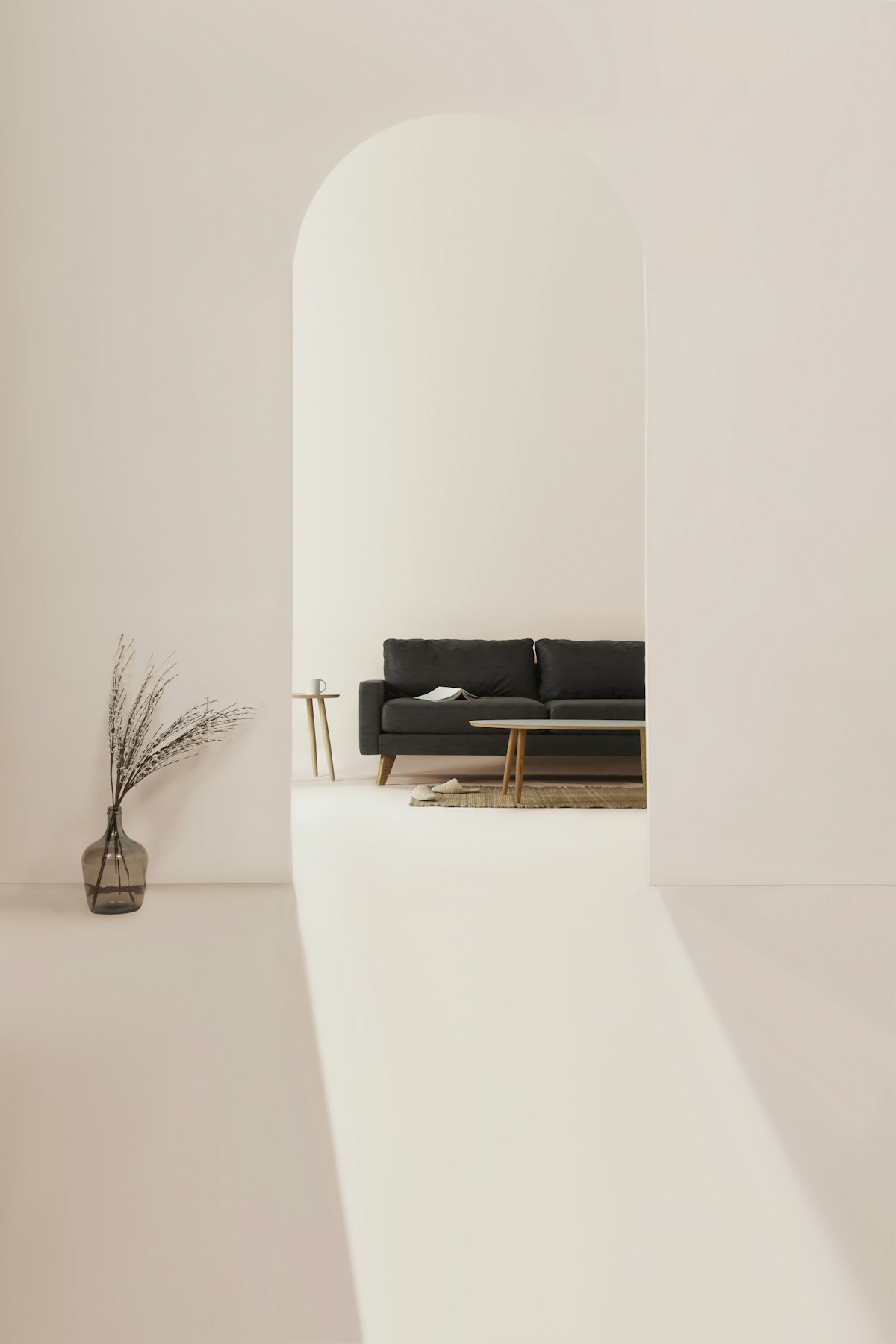
Warm minimalism combines clear circulation, useful storage, comfortable furniture, and a restrained material palette. For a U.S. home, Brazilian design can offer inspiration through wood, generous seating, and connections to outdoor space. Adapt those ideas to your climate and existing furniture rather than copying a tropical house.
Minimalism becomes more inviting when it leaves room for comfort and character. A Brazilian-inspired approach can offer ideas for warm wood, generous seating, and a strong relationship to outdoor space. Treat that influence as a starting point for your own home, not as a single formula that represents all Brazilian design.
Edit around the way you live
Start by identifying what deserves space: a comfortable sofa, a table used every day, a collection you care about. Remove duplicates and pieces that interrupt movement before removing the objects that make the room personal.
A minimal room can still hold books, color, and art. The aim is a clear arrangement, not a rule about owning very little. Closed storage can contain everyday supplies while one open shelf holds a smaller, deliberate selection.
Let wood provide some of the warmth
A table or chair with visible grain can bring depth to a restrained palette. Compare the wood tone with existing flooring and cabinetry. Different woods can coexist, but repeating one tone elsewhere often makes the combination feel intentional.
Choose furniture for construction, comfort, dimensions, and maintenance as well as appearance. If a piece is described as a design classic, verify its maker and provenance. You can also choose a contemporary piece you like without attaching a famous designer’s name to it.
Borrow the indoor-outdoor relationship
Arrange a seat toward a pleasant view, keep access to a patio clear, or repeat a color from the garden in a textile. These small connections can work in a climate where doors stay closed much of the year. You do not need to recreate a tropical house to enjoy a relationship with the outdoors.
Use plants only where the light and care routine support them. One healthy plant can contribute more than a room full of struggling greenery. Natural-looking materials are an alternative where a living plant would be impractical.
Keep softness in the final edit
A room made entirely of hard, smooth surfaces can feel severe. Add a rug suited to the location, curtains where useful, and light beside the places people sit. Leave an easy spot for a drink or a book; convenience is part of comfort.
Before buying another accessory, photograph the room and look at where your eye rests. If every corner asks for attention, remove one grouping. If the room feels empty, add something with a clear purpose or personal meaning. A thoughtful interior can be restrained without feeling anonymous.
Translate inspiration into a practical American home
Begin with the feature you admire rather than the nationality attached to a photograph. It may be a generous table, visible wood grain, an open view toward a garden, or a calm arrangement of furniture. Naming the feature makes it possible to adapt the idea to a suburban house, apartment, or colder climate without pretending the buildings are equivalent.
For example, a room with a sliding door to a small patio could use a consistent accent color inside and outside to create a visual relationship. In a winter climate, the door can remain closed while the view still contributes to the room. A city apartment might achieve a similar sense of openness by preserving the sightline to a window rather than adding plants where there is insufficient light.
Treat these as editorial design interpretations. Brazilian architecture and furniture include many different approaches, and no single palette represents the country. If a particular architect or maker interests you, learn about that person’s work instead of assigning a famous name to any wood chair or concrete wall that looks similar.
Keep the pieces that already provide comfort
Make three lists: furniture you use daily, objects that carry personal meaning, and pieces that mainly fill space. Begin the edit with the last group. This prevents minimalism from becoming a reason to replace practical furniture with less comfortable items that happen to look more restrained.
Measure the main seating group and check where drinks, books, and lamps belong. A clean arrangement still needs usable surfaces. If a large coffee table interrupts movement, try a different position or a simpler combination before buying another one. If a side table is constantly moved into place, its function is real and deserves a permanent solution.
A family room can remain visually quiet while holding toys, work supplies, and blankets. Choose storage around those specific belongings and make it easy to use. Closed doors may help contain visual clutter, but the interior needs to work too. An oversized cabinet filled without organization simply relocates the problem.
Compare wood furniture without relying on style labels
Check dimensions, construction, finish care, and how the piece feels during normal use. Ask what the material actually is rather than assuming that a warm wood appearance identifies a solid species. Different constructions can serve different purposes; the useful question is whether the piece meets your requirements and is described accurately.
For a vintage or attributed design, request information about the maker and provenance before paying for that attribution. A contemporary piece can be appealing without a historic story attached. Avoid treating an unverified claim as a reason to increase the budget. If you like the proportions and comfort, those are legitimate reasons to consider it on their own.
Compare delivery, assembly, return terms, and maintenance when shopping in the United States. The price on a product page may not include the full cost of getting a large piece into your room. Measure access routes and confirm what service is included before committing.
Frequently asked questions about warm minimalism
### Is warm minimalism the same as an all-beige room? No. It describes a restrained arrangement that still feels comfortable and personal. Wood, textiles, a darker accent, and selected color can all contribute. The goal is a clear relationship between objects, not a requirement to remove every strong tone.
Do I need Brazilian furniture to use these ideas?
No. You can learn from spatial relationships and material choices while keeping your existing furniture. If you choose to buy a piece from a Brazilian maker, identify and credit that maker accurately rather than using origin as a vague decorative label.
How do I keep the room from feeling empty?
Add something useful before adding a purely decorative object. A reading lamp, comfortable textile, or table within reach can make the room more inviting. Personal art and books also belong when they are arranged deliberately and matter to the household.
Make a restrained room livable
After editing, spend several evenings in the room before deciding it is finished. Notice whether the layout supports conversation, reading, and ordinary cleanup. Keep the objects that make those activities easier. Warm minimalism works when restraint creates room for life, and Brazilian influences are most useful when understood as thoughtful references rather than a fixed shopping formula.