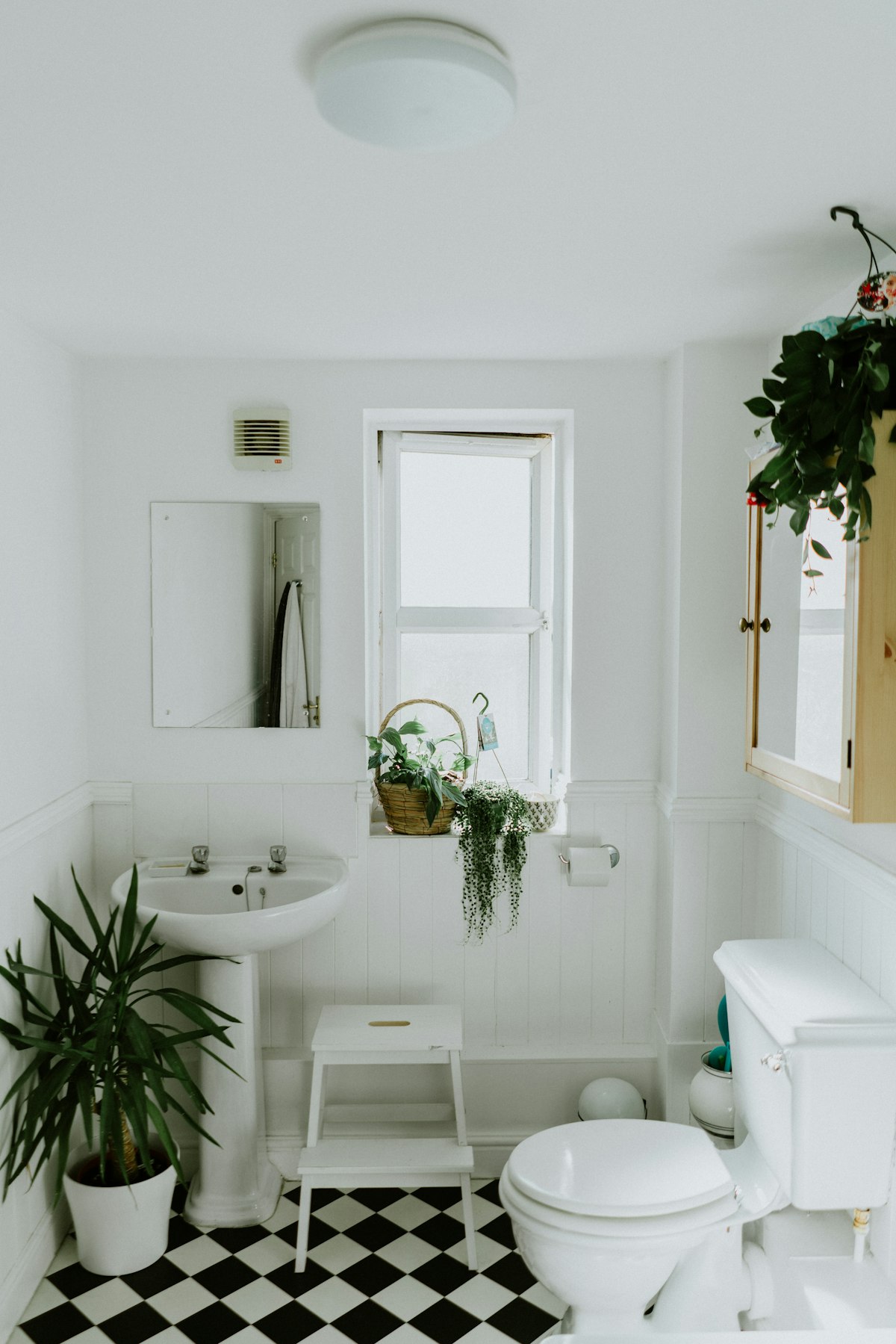
To create a spa bathroom without remodeling, clear the daily-use surfaces, improve the existing lighting, coordinate washable textiles, and give towels a place to dry. Fix leaks or ventilation problems before buying decorative accessories, then choose finishes that work with the tile and vanity you already own.
A bathroom doesn’t need a freestanding tub or a hotel-size floor plan to feel restful. Often, the biggest improvement is making the room easier to use: a clear counter, light that works for both grooming and winding down, and a dry place to reach for a towel. Start with the friction in your daily routine, then spend on the details you actually touch.
Start with a five-minute bathroom audit
Stand where you get ready in the morning. Can you find your everyday products without opening three drawers? Is the mirror comfortable to use? Does a wet towel have somewhere to dry? Write down three annoyances before choosing a paint color. This short list will keep a decorative refresh from becoming a shopping project with no clear purpose.
Move backup toiletries out of the main work area. Give each person’s daily items a small tray or drawer organizer, and leave open counter space around the sink. A beautiful basket is helpful only if its contents are easy to reach and keep dry.
Make the lighting flexible
A single bright ceiling fixture can make a bathroom feel stark while still leaving shadows at the mirror. For a future electrical upgrade, discuss separate grooming and ambient lighting with an electrician. Fixtures must be suitable for their locations, especially near a shower or tub. For a simple refresh, first check whether your existing fixture supports a different bulb and whether any dimmer is compatible.
Think in scenes: clear light for shaving or makeup, gentler light for an evening bath. Keep visibility at steps, thresholds, and wet floors. Mood should never make the room harder to navigate.
Choose a small, hardworking material palette
Cream, soft stone colors, and warm wood tones can create a quiet backdrop. Test paint beside the existing tile; a warm white that looks lovely on a screen can turn yellow next to a cool vanity top. Use wood accessories outside splash zones, and check finish care before buying natural stone.
Replace tired towels as a coordinated set only when they need replacing. A washable bath mat, a comfortable towel hook, and a dispenser you can refill are more useful than a crowded collection of spa props. Skip scented products if anyone in the household finds them irritating.
Know when decor won’t solve the problem
Persistent dampness, peeling finishes, or a leaking fixture needs attention before styling. A candle cannot fix ventilation, and a rug cannot solve a slippery floor. Ask an appropriate professional to assess recurring moisture or electrical issues.
Try the low-cost changes for a week. If the room is still frustrating, use what you learned to brief a remodeler: the storage you lack, the lighting you need, and the fixtures you genuinely use. That is a stronger starting point than copying every feature in a hotel photo.
Choose upgrades by the problem they solve
Think of a bathroom refresh as three separate decisions: what makes the room easier to use, what makes it more comfortable, and what changes its appearance. A drawer divider may solve a daily frustration better than a new mirror. A hook within reach of the shower may matter more than a decorative ladder that blocks the door. Put the practical improvements first and use styling to support them.
For a shared bathroom, assign each person a small storage zone. Keep the products used every morning in the easiest location and move occasional items to a higher shelf or a separate linen closet. If the vanity is shallow, measure the inside of each drawer before ordering organizers. Plumbing can take up more cabinet space than a product photograph suggests. Containers should fit the actual opening and be removable for cleaning.
Plan a realistic weekend bathroom refresh
On Friday evening, remove loose objects and clean the surfaces you intend to keep. Photograph the empty counter and note which finishes already give the room character. On Saturday, address storage and towel placement before selecting accessories. On Sunday, test the room during a normal morning routine. This order prevents a shopping trip from deciding the entire design.
Consider a hypothetical U.S. guest bathroom with a white vanity, beige floor tile, and a shower curtain. Rather than replacing the vanity, the owner could choose a washable cream curtain, a bath mat that clears the door, and a small wood-toned tray outside the splash area. Repeating the warm tone in a hand towel makes the choices feel connected. The example is a styling approach, not a product recommendation or a promised renovation result.
A shopping list should record dimensions, material, care requirements, and the reason for each purchase. Add actual local prices in dollars when comparing options, including sales tax and shipping. Avoid treating a national online price as your complete project budget. Installation and electrical work need separate quotes when they are part of the scope.
Make a small bathroom feel calmer without hiding necessities
Visual clutter often comes from unrelated packaging rather than the number of things a household needs. Group everyday bottles on one washable tray, keep backup supplies out of view, and leave part of the counter empty. Decanting everything is optional; original labels can contain important use and safety information, so retain them when needed.
Use a consistent finish for a few visible accessories, but do not replace working hardware merely to achieve a perfect match. A brushed metal faucet can coexist with another finish if the room has a clear color palette. In a rental, start with changes you can remove, such as textiles and freestanding storage that does not interfere with movement. Ask the landlord before drilling, painting, or changing fixtures.
Frequently asked questions about spa bathroom ideas
### What should I buy first for a spa-style bathroom? Start with the item that resolves the biggest daily inconvenience. That may be a towel hook, a better-fitting storage bin, or a washable shower curtain. Decorative purchases work best after the storage and cleaning routine is settled. Keep your first round small enough that you can evaluate what actually helps.
Does a spa bathroom need scented candles?
No. A calm bathroom can rely on orderly storage, comfortable textiles, and suitable lighting. Fragrance is a preference, not a requirement. If you enjoy scent, consider the preferences of everyone using the room and follow the product’s instructions. Never use fragrance to disguise recurring moisture or plumbing problems.
Can I get the look with existing tile?
Yes. Choose towels, paint samples, and accessories beside the tile instead of trying to ignore it. A repeated undertone can make older finishes feel intentional. If the tile is damaged or water is getting behind it, however, the next step is repair rather than a decorative cover-up.
Your final bathroom checklist
Before calling the refresh complete, open every drawer, swing the door fully, and reach for a towel as you normally would. Confirm that the bath mat stays in its intended position and that cleaning supplies have a suitable storage place. Keep the purchase receipts until the arrangement has worked through several ordinary days. The best spa bathroom ideas make your existing room more pleasant without creating a longer list of chores.