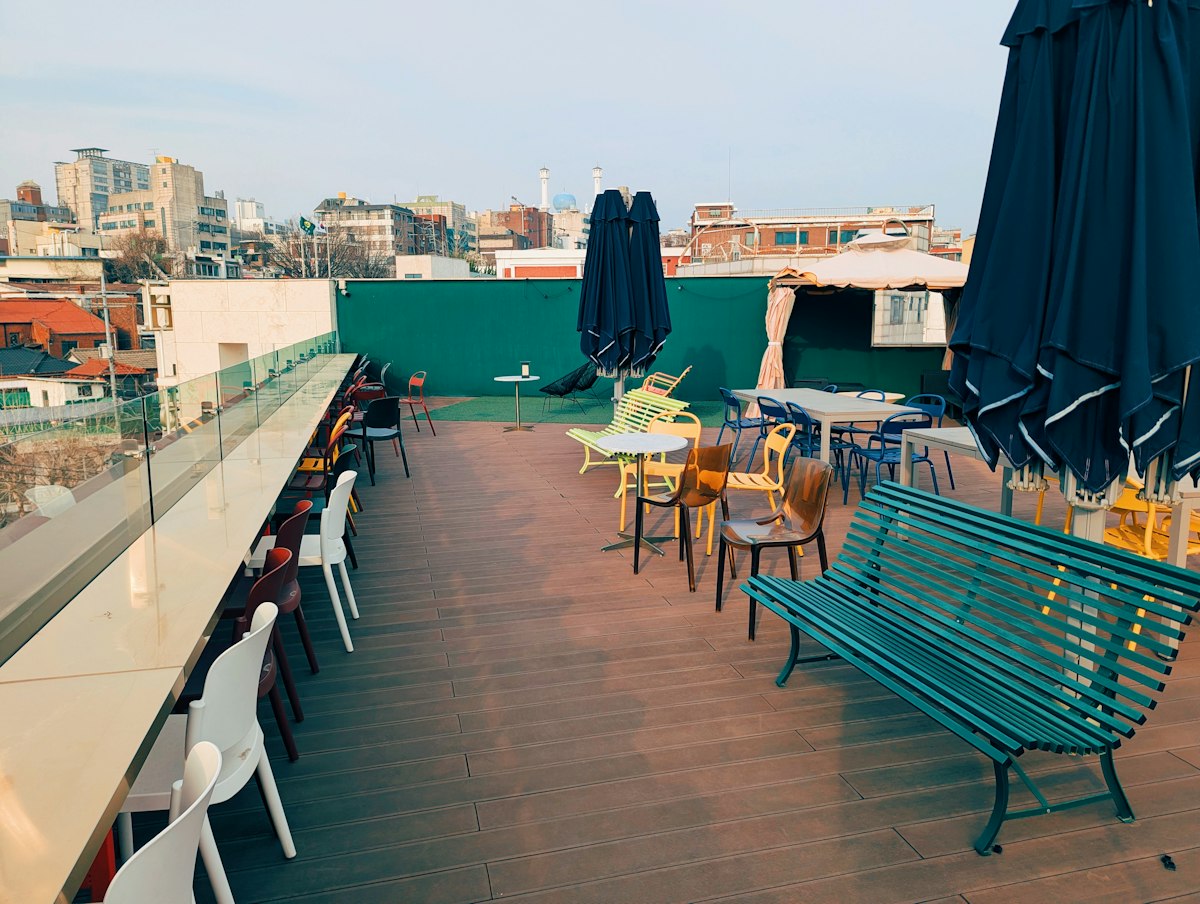
Plan an outdoor entertaining area around your usual gathering, a practical route from the kitchen, suitable seating, and an approved cooking location. Check equipment instructions and applicable building rules before choosing a grill. Include shade, serving space, cleanup, and storage in the layout from the start.
An outdoor entertaining area does not need a built-in kitchen to work well. A comfortable table, a convenient serving surface, and a sensible route from the house can do more for a gathering than a row of appliances. Start with the meals you actually host and the space you are allowed to use.
Choose the kind of gathering
Picture a typical evening: two people eating outside, a family cookout, or several friends sharing snacks. Each needs a different balance of seating, serving space, and circulation. Use the real number of guests you expect regularly, then plan a flexible option for occasional extras.
Place temporary furniture before committing to a permanent layout. Pull chairs out, carry a tray through the route, and check whether people can move without walking through a cooking zone.
Check cooking constraints early
A balcony is not simply a smaller backyard. Building rules, lease terms, local restrictions, and appliance instructions may limit or prohibit grills. Verify these before buying equipment or designing cabinetry around it.
NFPA’s grilling guidance calls for outdoor use of propane and charcoal grills and separation from the home, deck railings, and overhead branches or eaves. Follow the specific appliance instructions and applicable local requirements. If cooking is not suitable for the location, create a dining-and-serving area and prepare food indoors.
Spend on the support pieces
Think about where a platter waits, where utensils sit, and how dishes get back inside. A movable serving cart may solve those problems without plumbing or permanent construction. Choose materials intended for the exposure they will receive and check whether storage is needed during winter.
Shade deserves the same attention as seating. Observe the site at the hour you host most often. A table that is pleasant at breakfast may be uncomfortable late in the afternoon. Permanent covers, electrical work, and new utilities should be planned with qualified professionals.
Make cleanup part of the design
Keep a place for waste, a route for carrying dishes, and dry storage for accessories. Decide where cushions go when rain is expected. Avoid buying more upholstered seating than you can reasonably protect or maintain.
Host a simple meal using the temporary arrangement first. Notice what you walk back inside to retrieve and where guests naturally gather. Those observations make a better shopping list than a showroom display.
Design for the gathering you actually host
A couple sharing dinner outdoors needs a different arrangement from a household hosting several guests every weekend. Write down the typical group and the food you usually serve. This helps determine whether the priority is a dining table, comfortable conversation seating, or a serving surface near the kitchen door.
Trace the route from food preparation to the outdoor table. Include doors, steps, and the space occupied by seated guests. A beautiful table placed far from the kitchen may create repeated trips through the main seating group. If the route is awkward, adjust the location before adding a larger cooking station.
For an illustrative small patio, an appropriately sized table and a separate serving cart could provide more flexibility than a fixed outdoor kitchen. A larger yard might support distinct cooking and dining areas. Compare the arrangements with real furniture dimensions and the intended equipment, rather than assigning every space the same amenities.
Establish the cooking location before decorating
Read the instructions for the exact grill or appliance and confirm the rules that apply to your property. A rental, condominium, or homeowners association may have restrictions that affect equipment choice and placement. Ask the relevant property manager or local authority for the actual requirements instead of relying on a neighbor’s setup.
NFPA guidance treats outdoor grilling as an activity that needs appropriate placement and attention. Do not interpret a roof, awning, or nearby wall as harmless because the area feels open. The equipment’s instructions and site-specific requirements should guide the layout. Decorative screening should not interfere with those conditions.
Keep the preparation and serving arrangement practical. A place for utensils and finished food can be more useful than extra counter length without a purpose. Separate guest circulation from the active cooking area so people do not need to pass directly through it to reach their seats.
Plan shade and storage as everyday functions
Observe the patio at the time you expect to entertain. A spot that is pleasant in the morning may be exposed during dinner preparation. Consider how a shade option will be used, stored, and managed in changing weather. Permanent structures need appropriate design and approvals; portable products have their own installation and use instructions.
Decide where cushions, tableware, and cleaning items will go. If storage is indoors, confirm that the carrying route is convenient. If storage is outdoors, choose a product suitable for its exposure and intended contents. Do not assume a decorative bench is appropriate for everything associated with outdoor cooking.
Think about an ordinary cleanup. Food scraps, dishes, and trash need a route back to the relevant indoor or outdoor facilities. A clear end-of-evening routine makes the space easier to use again. Without it, an elaborate entertaining area can become a collection of items that must be moved before every meal.
Frequently asked questions about outdoor entertaining areas
### Do I need a built-in outdoor kitchen? No. Start with the activities and frequency of use. A suitable grill, practical serving surface, and comfortable seating may cover your needs. A built-in installation makes sense only when its location, services, upkeep, and cost fit the property and household.
Should dining and lounge seating share one area?
They can when the arrangement works with occupied chairs and normal movement. In a compact space, fewer well-sized pieces may serve better than squeezing in two incomplete groups. Test the setup before buying an additional sofa or table.
How should I compare the budget?
Separate site work, cooking equipment, seating, shade, lighting, and storage. Use current local prices and include installation or service work when required. Comparing a furniture-only plan with a permanent outdoor kitchen without listing these differences will not produce a useful budget.
Complete a trial meal before expanding
Serve a simple meal using a temporary arrangement where appropriate. Notice what you carry repeatedly, where guests pause, and which seat lacks comfort or shade. Use those observations to revise the layout. The strongest outdoor entertaining area supports the gathering naturally, with the cooking equipment as one part of a complete and usable space.